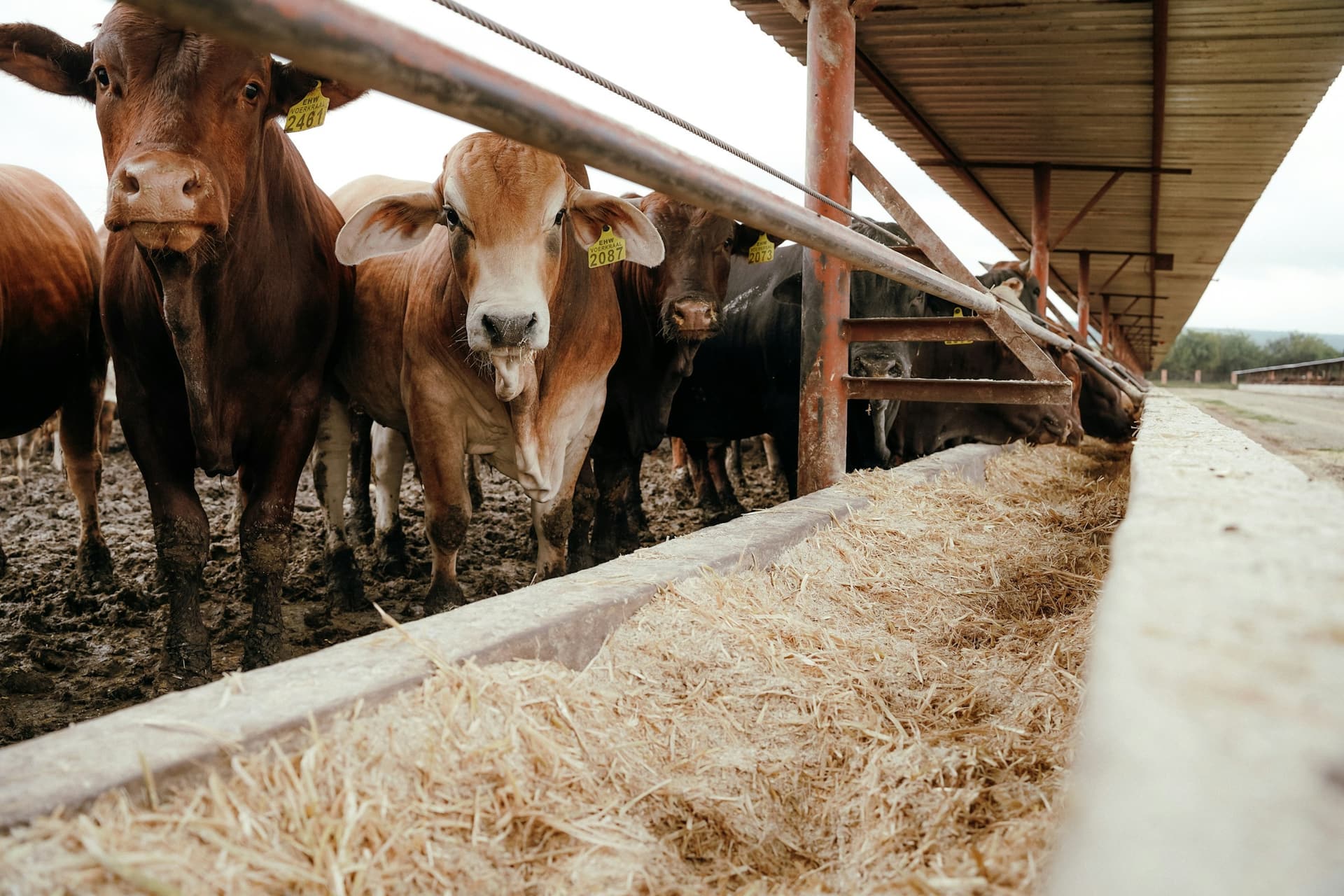
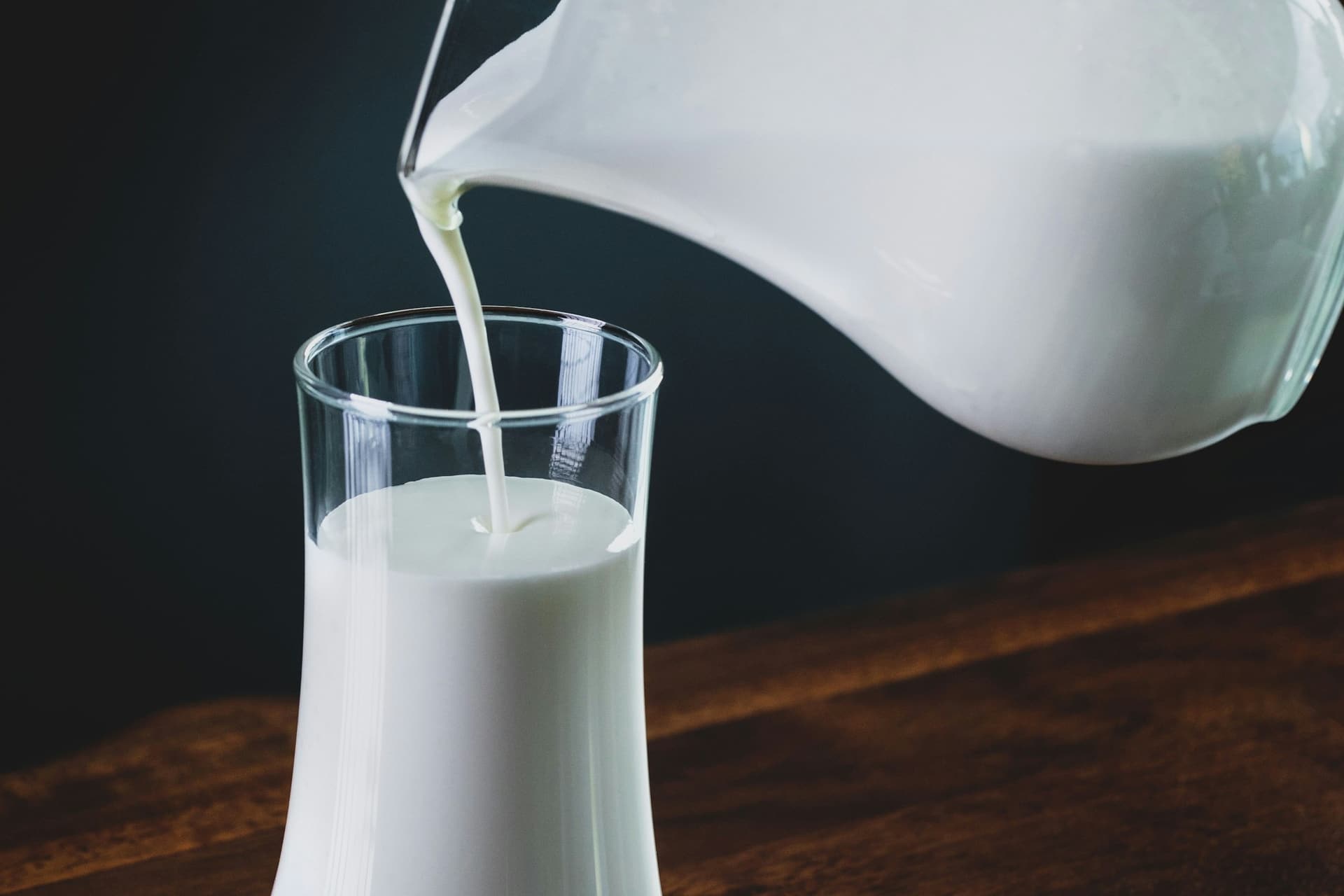
The milk buyer's monthly report arrives, and the farm's fat test has dropped from 3.8 to 3.2 percent. Milk yield is the same, if anything a little higher. A few weeks ago more corn and a well-priced lot of DDGS went into the ration, and a new corn silage was opened. The farmer is pleased to see the cows giving more milk, but since milk is paid on fat, the numbers tell a different story.
The bill for low fat
Take an example, with illustrative numbers. The milk buyer applies a bonus or deduction of 0.25 TRY per litre for every 0.1 points of fat. The cows average 30 litres a day. A drop of 0.6 points in fat means a loss of 1.5 TRY per litre and 45 TRY per cow per day. On a farm with a hundred cows, that is 4,500 TRY a day and 135,000 TRY a month.
That loss can easily outweigh the saving from the cheap energy added to the ration. On top of that, low milk fat is often a sign of an imbalance in the rumen, and if it lasts it can come with lameness, swings in feed intake and health problems.
What is happening in the rumen?
A large share of milk fat is made from acetate and butyrate produced by fermentation of fibre in the rumen. But the real cause of milk fat depression is often not just a shortage of acetate. When rumen conditions go wrong, the pathway by which unsaturated fatty acids in the ration are saturated in the rumen changes, and certain intermediates form that suppress fat synthesis in the udder. Even very small amounts of these intermediates lower milk fat noticeably.
Two conditions that set off this pathway usually come together: a drop in rumen pH and too many unsaturated fatty acids in the ration. So when looking for the causes of low milk fat, you need to look at the balance of fibre and starch and at the fat sources together.
Fibre and starch
The first place to look is physically effective fibre. Particle size matters as much as the amount of fibre in the ration. Silage chopped very fine, or a TMR mixed so long that it breaks down, does not make the cow chew her cud enough, even if it has enough NDF on paper. Saliva produced while chewing is the rumen's natural buffer, and when chewing falls, so does pH.
The second place to look is starch, not only how much but how fast. Finely ground corn, or a corn silage that has been stored for a few months rather than one just opened, ferments much faster in the rumen. The same amount of starch affects the rumen very differently when it comes from different sources. When the grind of the corn or the storage time of the silage changes, the starch level should be reviewed.
Unsaturated fats
DDGS, full-fat soybeans, whole cottonseed and vegetable oils bring substantial amounts of unsaturated fatty acids into the ration. These sources are valuable for energy, but when rumen conditions are borderline they can trigger milk fat depression. On the farm in our example, adding DDGS and raising the corn share meant two triggers kicking in at once.
That is why many nutritionists set a maximum on the amount of rumen-available unsaturated fatty acids in the ration. Where a fat source is needed, protected fat products that interact less in the rumen can be preferred. An ingredient's fatty acid profile matters as much as its total fat value.
Feeding routine and sorting
Even if a ration is balanced on paper, if cows sort it, the ration they actually eat is different. Dominant cows pick the concentrate out of the fresh feed in the morning, and the fibrous part is left in the bunk by the end of the day. Some cows' rumens then go through sharp drops in pH during the day. Pushing up feed several times a day, feeding twice a day and adding a little water or a wet feed to very dry TMRs all reduce sorting.
Hours with an empty bunk are a source of stress for the rumen as well. A cow that has gone hungry for a long time eats too much at once when feed arrives, and pH drops quickly. Keeping feed in the bunk all day is one of the cheapest measures for protecting milk fat.
Some additives affect milk fat as well. Buffers help support rumen pH, while some ionophores can contribute to milk fat depression. When adding an additive to the ration or taking one out, its possible effect on milk fat should be kept in mind too.
Correcting and monitoring
When milk fat depression is corrected, recovery is not immediate. After a ration change, milk fat usually takes two to three weeks to come back. So rather than making many changes at once and being unable to tell which step worked, it is better to start with the most likely cause and follow the result.
OptiFormula TMR keeps forage and silage analyses together with the feed library, and every ration shows dry matter intake, daily cost per head and income over feed cost. When the milk price depends on fat, weighing what a cheap energy source adds to the ration against the possible loss in milk income lets you make the right decision at the till, not just on paper.
Milk fat is one of the most reliable mirrors of rumen health. When the fat test falls, looking at the ration not just as a cost table but as a map of what is happening in the rumen is the way to solve the problem at its root.