The price of soybean meal has risen clearly within a year, and a feed mill's management is asking how to reduce the share of soybean meal in its formulas. The purchasing team says sunflower meal, rapeseed meal and DDGS are available in the region. The nutritionist knows that none of these ingredients is as cheap as it looks in the table. The real question is not price per unit of protein, but what each ingredient replaces in the formula and what it brings with it.
Crude protein is not enough
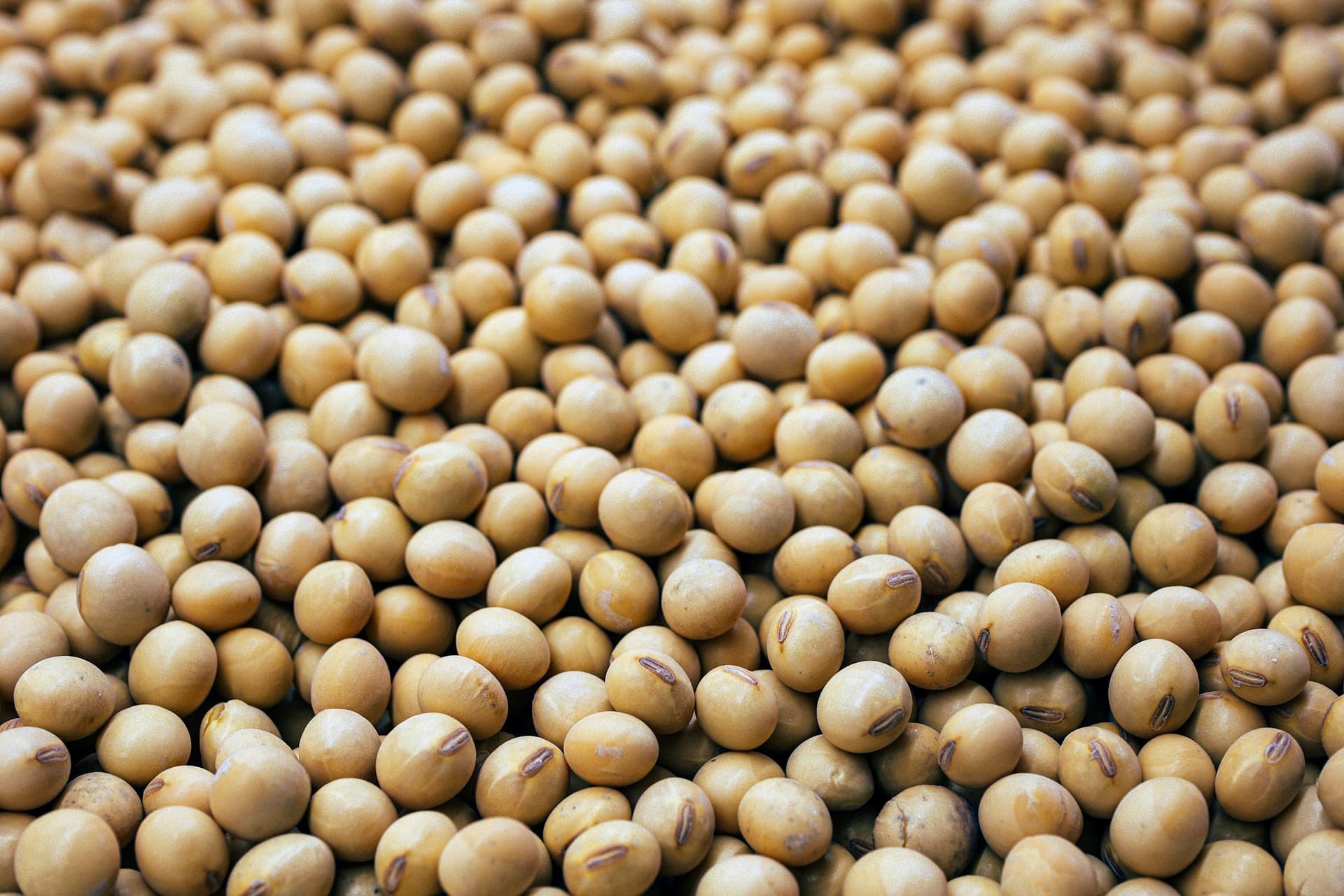
What makes soybean meal valuable is not just its high crude protein. Its amino acid profile, especially for lysine, is quite close to what animals need, its digestibility is high and its fibre content is low. Most alternative sources fall behind on one or more of these points. So when replacing soybean meal with another meal, matching crude protein is not enough. Digestible amino acids, energy and fibre have to be balanced together.
The main alternatives
Sunflower meal is plentiful and cheap in many regions. It is relatively good in methionine but low in lysine and high in fibre. In lots with a high hull content, its energy value drops noticeably. So when sunflower meal is used, the need for synthetic lysine rises and more fat may be needed to close the energy gap.
Rapeseed meal, especially from low-glucosinolate varieties, is a good protein source. But because of glucosinolates and fibre, its inclusion is limited by species and age. In laying hens, some genetic lines are more sensitive to rapeseed meal and egg taint can occur.
DDGS is valuable for energy and protein, but its quality varies a great deal from producer to producer and lot to lot. In lots overheated during drying, lysine digestibility falls. The mycotoxin risk is high too, because mycotoxins in the grain are concentrated during ethanol production. Pulses such as peas and faba beans supply starch and protein together, but in some types tannins and other antinutritional factors call for limits.
An example
The numbers are illustrative. In our broiler grower feed we want to cut soybean meal by 5 points and replace it with sunflower meal. Soybean meal costs 18,000 TRY a tonne and sunflower meal 9,500 TRY. To close the gap in digestible lysine and methionine, the formula takes in synthetic lysine and methionine. In ingredient cost, this change saves about 160 TRY per tonne of feed.
But the high fibre of sunflower meal lowers the feed's energy. To hold the energy target, the formula uses about 0.4 points more fat, adding about 70 TRY a tonne in cost. The net saving falls to about 90 TRY a tonne. That is still a worthwhile saving, but it is much smaller than the price gap in the table. On top of that, the extra fibre can affect pellet quality and performance in the house. Those effects only show up through trial production and flock results.
Seeing the limits of the saving
The best way to decide how much of an alternative protein source to use is not to add it to the formula without limit, but to look at the price and the inclusion up to which OptiFormula chooses to use it. Shadow prices and parametric analysis show the price range in which an ingredient stays in the formula and how its inclusion changes as its price moves. That information helps the purchasing team set a realistic buying price for alternative ingredients.
Maximums set on an ingredient's inclusion are part of the decision too. They should reflect the ingredient's known problems, such as fibre, antinutritional factors or mycotoxin risk. The more realistic the limits, the more of the proposed saving is kept in the field.
Differences between species
The same alternative source does not carry the same value in every species. In ruminants, much of the fibre in sunflower meal is digested, and the meal can easily replace a large part of soybean meal in dairy and beef rations. In poultry the same fibre lowers energy, and inclusion stays in a narrower range. In aquaculture the limits of plant proteins are even clearer.
So in a mill that makes feed for several species, when a lot of an alternative ingredient arrives, it matters to direct it to the feeds where it adds the most value. A plan that solves a mill's feeds together against shared stock moves a limited lot of sunflower meal to the ruminant feeds and soybean meal to the poultry feeds on its own.
Analysis and quality
Alternative ingredients are usually more variable than soybean meal. One lot of sunflower meal may contain 36 percent protein and another 30 percent. That gap changes the real value of the formula directly. So a mill moving to alternative sources needs to analyse these ingredients more often and define each supplier as a separate ingredient.
In OptiFormula, the analysis values of each supplier or lot can be kept separately, and NIR and lab results can be imported directly. The enzyme matrix, which depends on dose and substrate, also lets you value the contribution of NSP enzymes used with fibrous alternative ingredients according to the share of those ingredients.
Less soy, but balanced
Taking soybean meal out altogether is often neither possible nor economic. But reducing its share, done properly, lowers cost and reduces dependence on a single ingredient. The way to do it is to judge alternative sources on digestible amino acids, energy and fibre together rather than crude protein, to set realistic limits on their use and to confirm the results against flock performance.