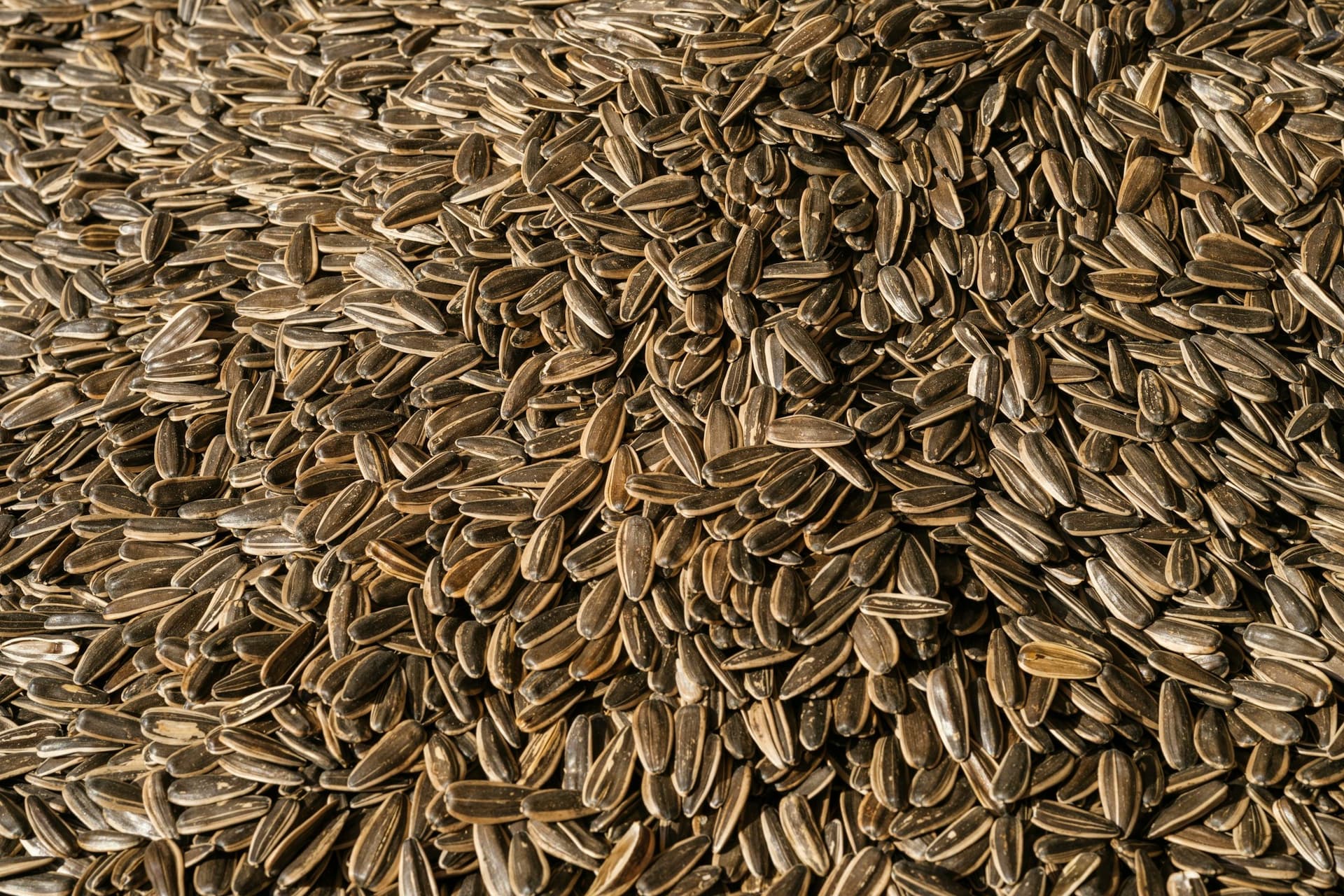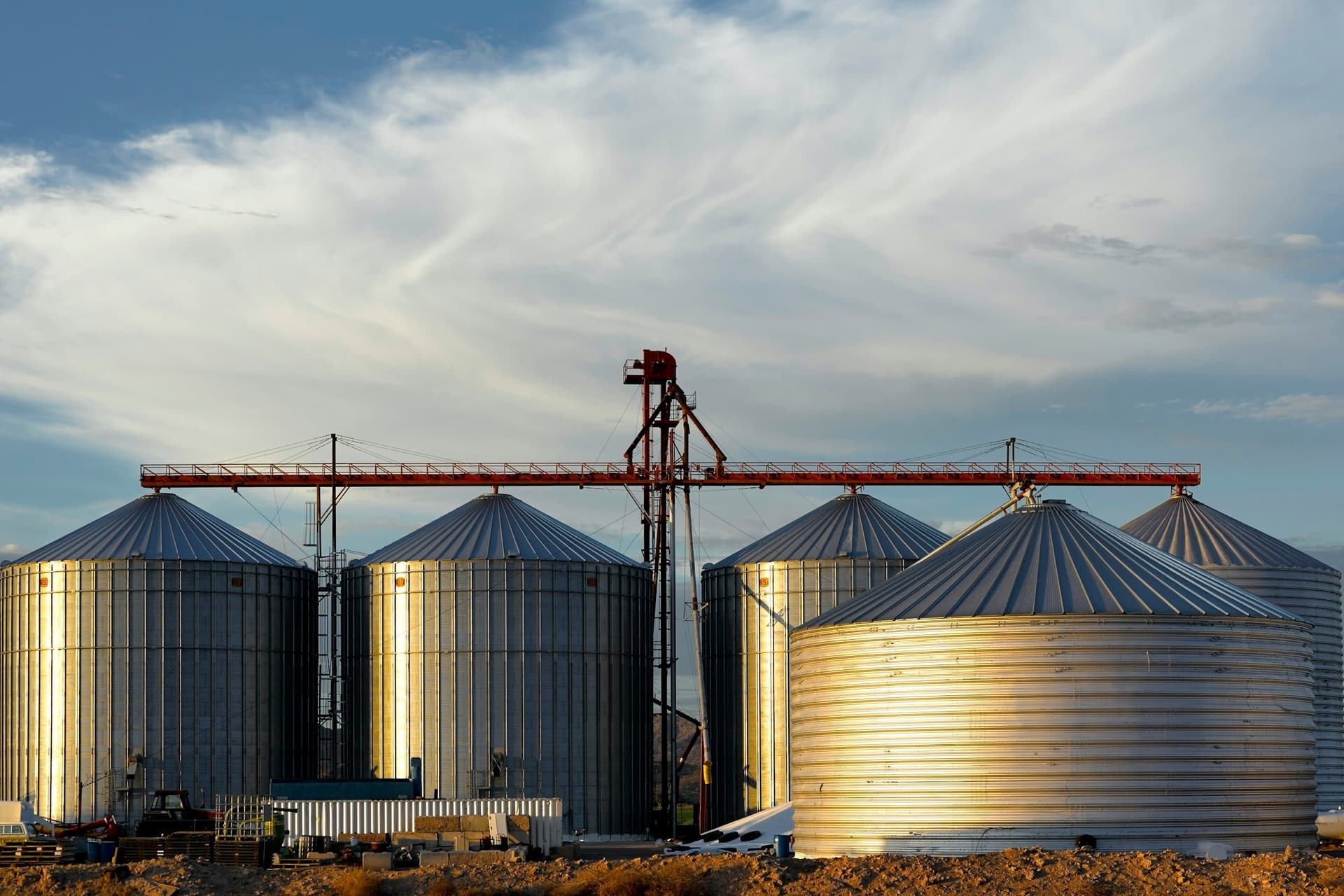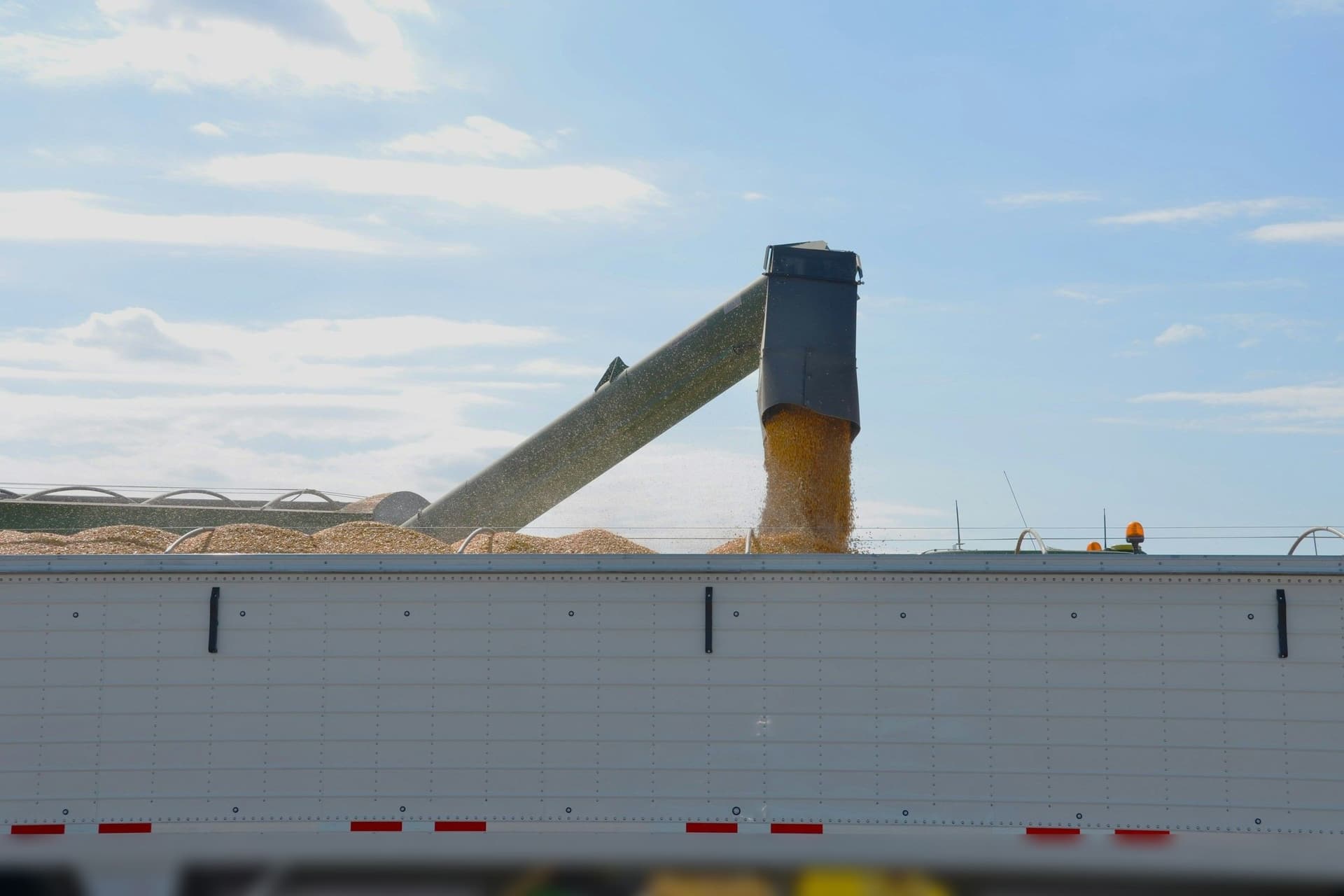
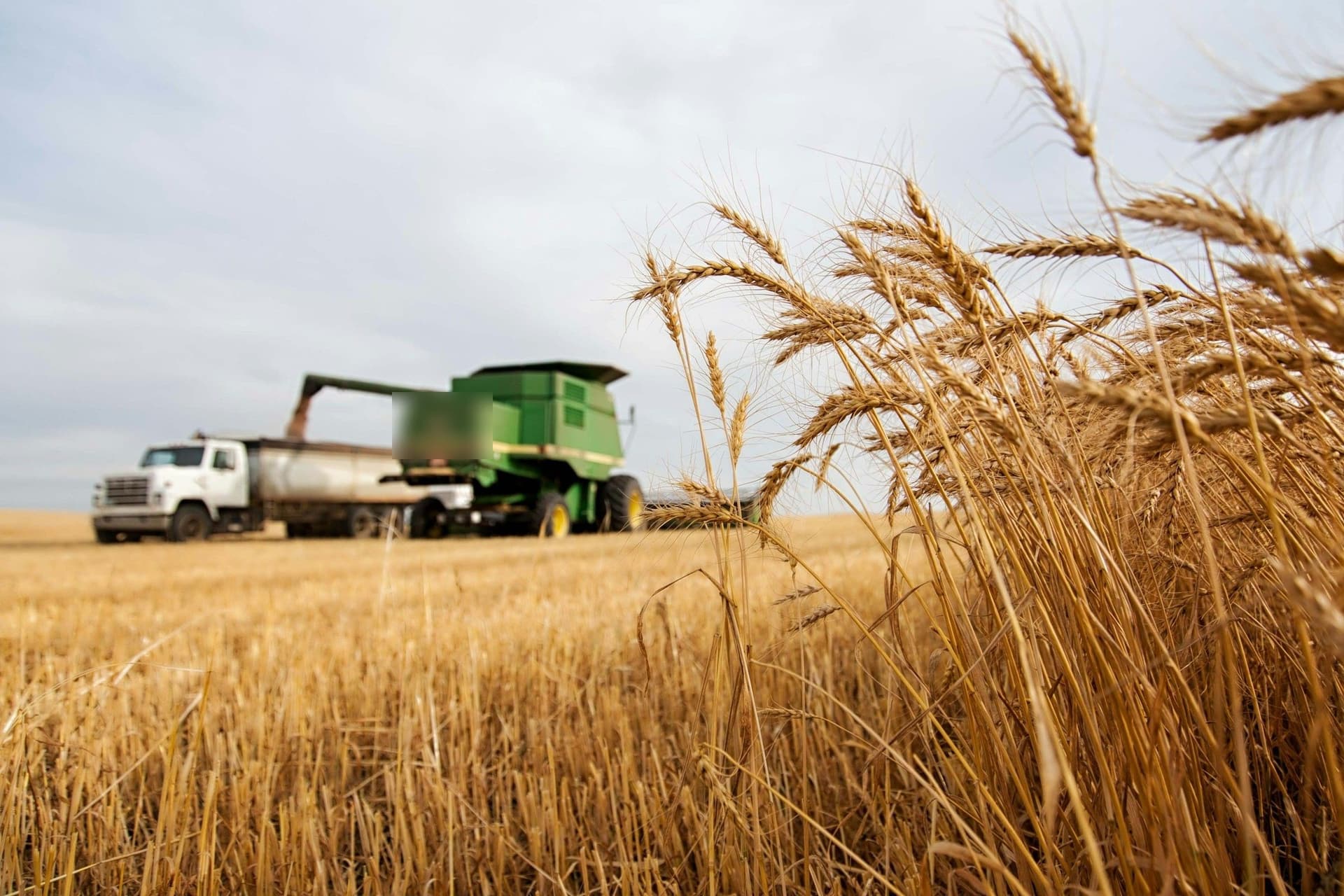
A group has two feed mills, one inland and one near the port. Purchasing finds a well-priced lot of 1,000 tonnes of sunflower meal at a crushing plant fifty kilometres from the inland mill. The first thought is obvious: let the nearest mill take what it needs and send the rest to the other one. Freight is lowest and the decision is easy. But that decision ignores how much value the meal carries at each of the two mills.
Nearness and value are not the same
What an ingredient earns at a mill depends on two things: its delivered price at the mill and the cost of the alternatives it replaces in that mill's formulas. The inland mill may have easy access to local ingredients and cheap options to fill in for sunflower meal. The port mill may depend on imported, expensive protein sources. In that case the same meal can be worth more at the mill farther away.
An example
The numbers are illustrative, and to keep the arithmetic simple we assume each mill's gain is directly proportional to the amount of meal it uses. The meal's ex-plant price is 9,000 TRY a tonne. Freight to the inland mill is 150 TRY a tonne and to the port mill 700 TRY. Delivered prices come to 9,150 and 9,700 TRY.
The inland mill's formulas want 600 tonnes of meal this month, and the meal is economic there up to 10,000 TRY a tonne, so each tonne gains 850 TRY. The port mill's formulas want 900 tonnes, and the meal is economic there up to 11,200 TRY a tonne, so each tonne gains 1,500 TRY.
If we allocate by nearness, the inland mill takes 600 tonnes and gains 510,000 TRY. The remaining 400 tonnes go to the port and earn 600,000 TRY, for a total of 1,110,000 TRY. When we solve the two mills together, the port mill, which gains 1,500 TRY a tonne, is filled first. The port takes 900 tonnes and gains 1,350,000 TRY. The 100 tonnes left for the inland mill earn 85,000 TRY, for a total of 1,435,000 TRY. The difference on a single lot is 325,000 TRY.
This result can feel counterintuitive. The meal passes the mill at the crusher's gate and travels four hundred kilometres. But the arithmetic is clear: the extra value at the port mill is larger than the difference in freight. To see that, you have to solve the formulas of both mills at the same time, with freight taken into account.
Transfers between mills
The same logic applies to moving ingredients between mills. If one mill has surplus wheat in stock while the other buys wheat expensively on the market, paying the freight to move the wheat is often worthwhile. But not every transfer pays. A transfer is worth it when the difference between its value at the receiving mill and at the sending mill is larger than the freight.
One thing to watch is that freight does not depend on distance alone. How hard it is to find trucks, the season, loading and unloading times and whether a return load is available on a route all change it. The more realistic the freight values you enter, the more workable the result. That is why it matters to get current freight quotes from the logistics team regularly.
Quality differences count too
The same ingredient from different sources is not of the same quality. One crusher's sunflower meal may contain 36 percent protein and another's 32 percent. That gap changes the meal's value at each mill directly. A meal four points lower in protein has to be topped up in the formula with more soybean meal or synthetic amino acids. That is why two offers should be compared not on delivered price alone but on each lot's own analysis.
In practice this means defining each supplier or each lot as a separate ingredient. It takes a little more data entry, but it means a lot that looks cheap but is of low quality is judged at its real value. Sometimes a slightly more expensive but better lot turns out more profitable, even after freight.
Do not forget the limits
A joint solve always finds the best allocation on paper, but whether it can be carried out depends on the limits being defined correctly. Each mill's silo capacity, the number of trucks it can receive a day and the obligation to buy some ingredients from a single supplier all need to be entered as limits. Otherwise the solution may send a mill more of an ingredient than it can unload in a week.
Another issue is the effect of formulas on the customer side. If the port mill in our example starts using sunflower meal more heavily, the fibre level and look of some feeds can change. Thinking ahead about the questions this may raise with customers helps keep the saving on paper in the field as well.
Thinking at group level
In groups with several mills, purchasing is often central while formulation runs mill by mill. That split makes it harder for ingredients to go where they are worth most for the group. Each mill solves its own formulas well, but the group's total is not the best it could be.
OptiFormula Ultimate solves the formulas of several mills together and handles ingredient and freight allocation between locations in the same solve. When the purchasing team weighs a lot, it sees not only the price but how much that lot will earn at each of the group's mills. Mill teams, in turn, can see why their own formulas came out the way they did by looking at the group as a whole.
The nearest mill is not always the right destination. The right destination is where the ingredient adds the most value after freight, and the reliable way to find it is to see the mills together in a single plan.