At a mill, the broiler grower formula was changed because a well-priced lot of corn and DDGS had arrived. Wheat went down and fat went up a little. The cost per tonne fell and everyone was pleased. Two weeks later the integrator's field team sends photos from the houses: the feeders are full of fines, the birds pick out the pellets and leave the dust, and feed intake swings. The production team blames the pellet line. But the line has not changed. The formula has.
What holds a pellet together?
Pellet durability depends on many factors: grinding fineness, conditioning temperature and time, steam quality, die thickness and cooling. But the material all of these act on is the formula. Some ingredients naturally hold the pellet together, others break it apart.
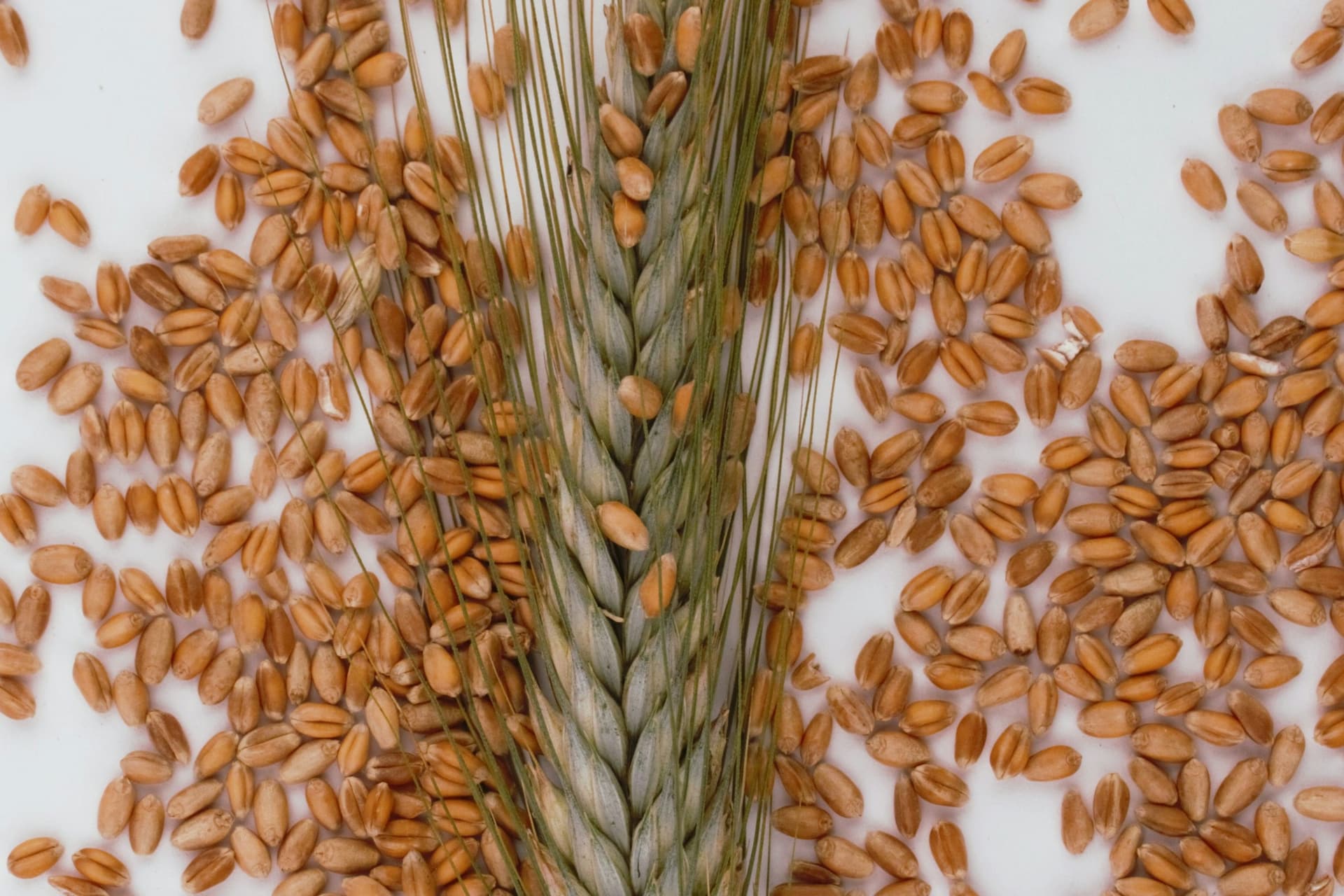
Wheat is a good binder thanks to its gluten. Barley and some oilseed meals also help pellet quality. Corn is a weaker binder. Fat, when added at high levels in the mixer, coats the surface of the particles, weakens the binding effect of steam and starch and makes the pellet brittle. Some fibrous by-products can also lower pellet quality depending on their inclusion.
What do fines cost in the house?
Take an example, with illustrative numbers. With the old formula, the share of fines in the feed reaching the house was around 10 percent. With the new formula it rose to 25 percent. Broilers eat pellets far more efficiently than fines. On dusty feed the birds work the feeder longer, more feed is spilled and more energy is spent for the same weight. In this example, assume feed conversion worsens by 0.04 points.
For a broiler reaching 2.5 kg live weight at slaughter, a worsening of 0.04 points means 0.1 kg more feed per bird. At 15 TRY a kilogram of feed, that is 1.5 TRY extra cost per bird. Say the new formula cut the cost per tonne by 120 TRY. For the roughly 4.2 kg of feed each bird eats, that saving is about 0.5 TRY. The 0.5 TRY saved on paper turns into a 1.5 TRY loss in the house.
Bringing binding into the formula
One way to tackle this is to treat pellet quality like a nutrient. Some mills give each ingredient a pellet quality score based on their own experience or published sources. Wheat gets a high score, corn a medium one and fat added in the mixer a negative one. A minimum is then set in the formula for the weighted average of the score. OptiFormula cuts cost but does not let pellet quality fall below a set level.
These scores are not exact scientific values, and each mill needs to tune them to its own line. But even a simple scoring system is enough to stop the formula from quietly ruining pellet quality. The way to check the scores is to measure the pellet durability index after every formula change and compare the results with the scores.
The relationship between formula and line runs both ways. A formula with weak binding can be partly offset by raising the conditioning temperature, but that raises energy cost and speeds up the loss of some vitamins and enzymes. So pellet quality is something the production and formulation teams need to look at together. One team's saving should not be the other team's cost.
Grinding fineness should be considered along with the formula change as well. When more corn replaces wheat, grinding the corn finer preserves pellet quality to some extent. But very fine grinding can weaken gizzard development in poultry and raises grinding cost. The soundest way to find the right fineness is to produce one or two trial batches and follow pellet durability and results in the house.
Where to add the fat?
In high-energy feeds, adding all the fat in the mixer is one of the practices that does most damage to pellet quality. Many mills add part of the fat in the mixer and the rest as a coating after pelleting. Setting a maximum for fat in the mixer and defining coating fat as a separate ingredient is a practical way to bring that split into the formula. The formula meets the total fat requirement while keeping the mixer share below the limit.
You cannot manage what you do not measure
The pellet durability index is a simple test of how well pellets stay whole during handling and delivery. A sample taken after the cooler is tumbled for a set time and the share of whole pellets left on the sieve is measured. Running this test every shift and after every formula change catches problems before they reach the house.
There is also a gap between the value measured at the mill and the share of fines in the feed that reaches the house. Transport, bin discharge and feed lines all break pellets. So taking a sample from the feeder in the house now and then and measuring the fines is valuable for understanding how the mill's results relate to what happens in the field.
Measuring cost in the right place
In OptiFormula, pellet quality can be handled as a value assigned to ingredients and a constraint in the formula. Fat added in the mixer and as a coating can be defined as separate ingredients and limited with ratio constraints. Shadow prices then show how much the pellet quality constraint costs the formula. That figure lets the production and formulation teams talk about the same number.
The cheapest formula is the one that is still cheapest when it reaches the house. Making pellet quality part of the formula is the simplest way to make sure every lira saved at the mill is not lost in the field.